
License Patented Technology for the Next Era of Music, Media & AI
Music IP Holdings, Inc. (MIH) is a pioneering intellectual property development, licensing and management firm established to advance, license and deploy Universal Music Group's (UMG) patented Artificial Intelligence (AI) innovations among others across the global marketplace.
Through a strategic partnership with UMG, MIH serves as the dedicated vehicle through which groundbreaking AI music technologies are being licensed into the broader market — bridging the world's leading entertainment company with a growing ecosystem of innovators, collaborators, partners and creators.
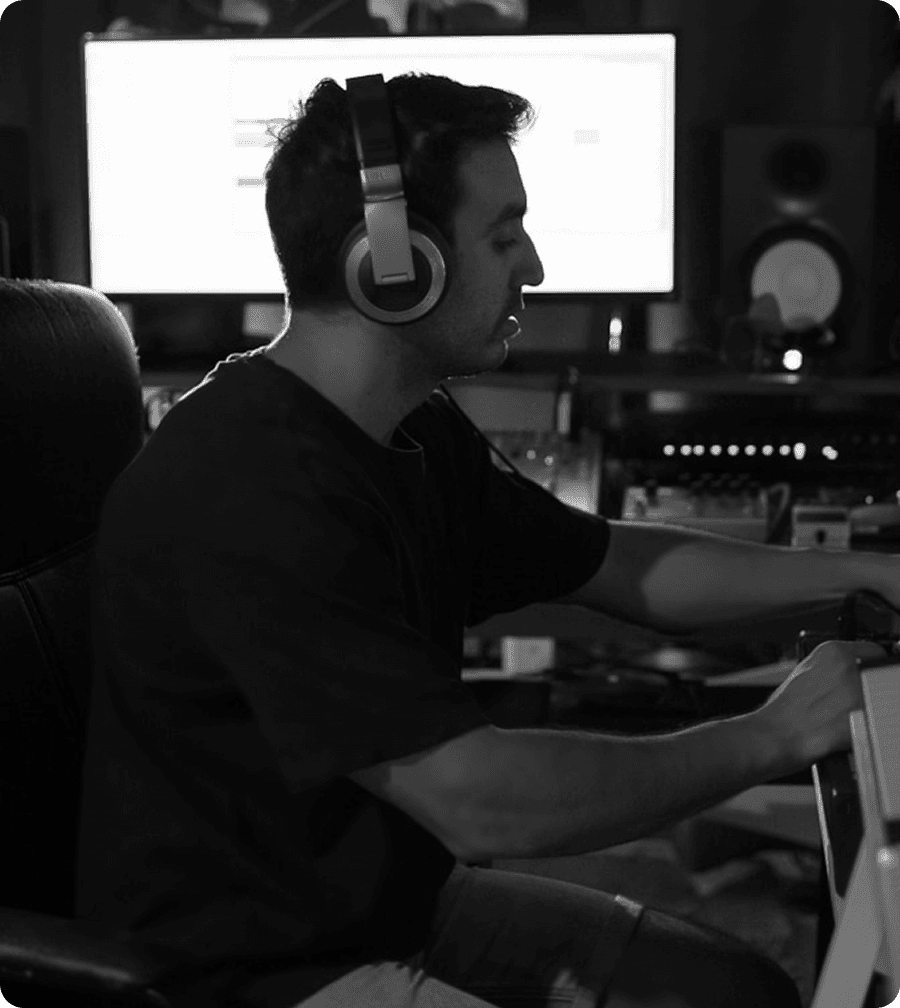
Why get a license?
The Strategic Innovation Partner (SIP) Program is designed and offered by Music IP Holdings, Inc. (MIH).
It is being offered exclusively to qualified organizations for the early opportunity to license patented technology designed for modern music and media workflows—including AI-assisted creation, transformation, attribution, and monetization.
This technology supports scalable, compliant use of music data and derivatives, enabling licensees legal safeguards to innovate with confidence while respecting intellectual property and industry standards.
FAQ
A patent protects how something works. It is protection for a specific technical method that can be described, built, and repeated. It gives the inventor the legal right to stop others from using a specific method, process, system, or technical approach for about 20 years. Patents do not protect code, products, or ideas in the abstract. A patent is not copyright (songs, media, content), a trademark (brand, name, logo), ownership of software code, or a vague concept or idea.
A patent license is permission to use a patented technology in your product or service. A patent owner has the legal right to stop others from using a specific method, process, or system. A license is how they allow you to use it - legally.
A license may allow you to:
- Build products using the patented methods
- Sell software or hardware using the invention
- Integrate the technology into your platform
- Avoid legal risk while innovating
- Avoid surprises during fundraising or acquisition
- Use advanced music technology methods legally
- Focus on your product, not legal risk
No. A song, melody, harmony, lyrics, or performance cannot be patented but they are protected by copyright. How music is created, modified, analyzed, or delivered can be patented. Patents apply to:
- Technology
- Processes
- Systems
- Methods
- Software
- Hardware
- Signal processing
- AI models
- Novel production workflows
Common licensees include:
- DAW companies
- Plugin developers
- AI music startups
- Hardware instrument manufacturers
- DJ software/hardware companies
- Streaming platforms
- Stem separation and remixing software
- Game studios
- VR/AR music experiences
- Music education software
- Audio hardware companies
- Spatial audio and immersive sound companies
A music derivative is technology that generates, transforms, analyzes, or enhances music. These are patentable because they are technical inventions, not artistic works. Examples include:
- AI that creates stems from a mixed track
- Software that converts vocals to MIDI
- Algorithms for remixing, time-stretching, pitch-shifting, or spatial audio
- Systems for interactive music in games or VR
- Tools for automated mastering or style transfer
- Novel DJ performance systems
- Music visualization or music-to-motion systems
Using patented technology without a license is infringement, even if:
- They wrote their own code
- They built their own hardware
- They did not copy anything
Patent protection covers the idea and method, not the specific implementation.
Yes. Patent infringement depends on what your system does, not how you built it. If your product performs a patented method, you need a license.
Yes. Licensing is typically designed to be accessible, not punitive.
Most patent holders prefer licensing partnerships over litigation but possible outcomes include:
- Cease and desist
- Required retroactive licensing
- Legal damages
- Product removal from market
If your product:
- Generates music
- Transforms audio into new structures
- Analyzes or decomposes music
- Maps performance data to sound
- Uses novel audio workflows
AI music, stem separation, style transfer, and automated production are patented areas in music tech.
Ready to Get Started?
Join thousands of innovators who trust us with their patent licensing needs